Mengamati Kota Biara Tua Le Mont Saint Michel di Pesisir Normandy
Le Mont-Saint-Michel adalah salah satu situs warisan budaya dan alam paling ikonik di Prancis: sebuah pulau berbatu yang dimahkotai oleh sebuah biara Benediktin yang berkembang sejak Abad Pertengahan. Artikel ini memberikan tinjauan historis, deskripsi masyarakat dan praktik budaya lokal, analisis arsitektural (dengan fokus tipologi Romanesque–Gothic dan adaptasi terhadap topografi), serta kajian singkat tentang ekologi teluk, dinamika pasang surut yang ekstrem, iklim regional, dan strategi konservasi. Keseluruhan pembahasan berlandaskan sumber arsip, laporan konservasi internasional, dan kajian ilmu lingkungan terkini.
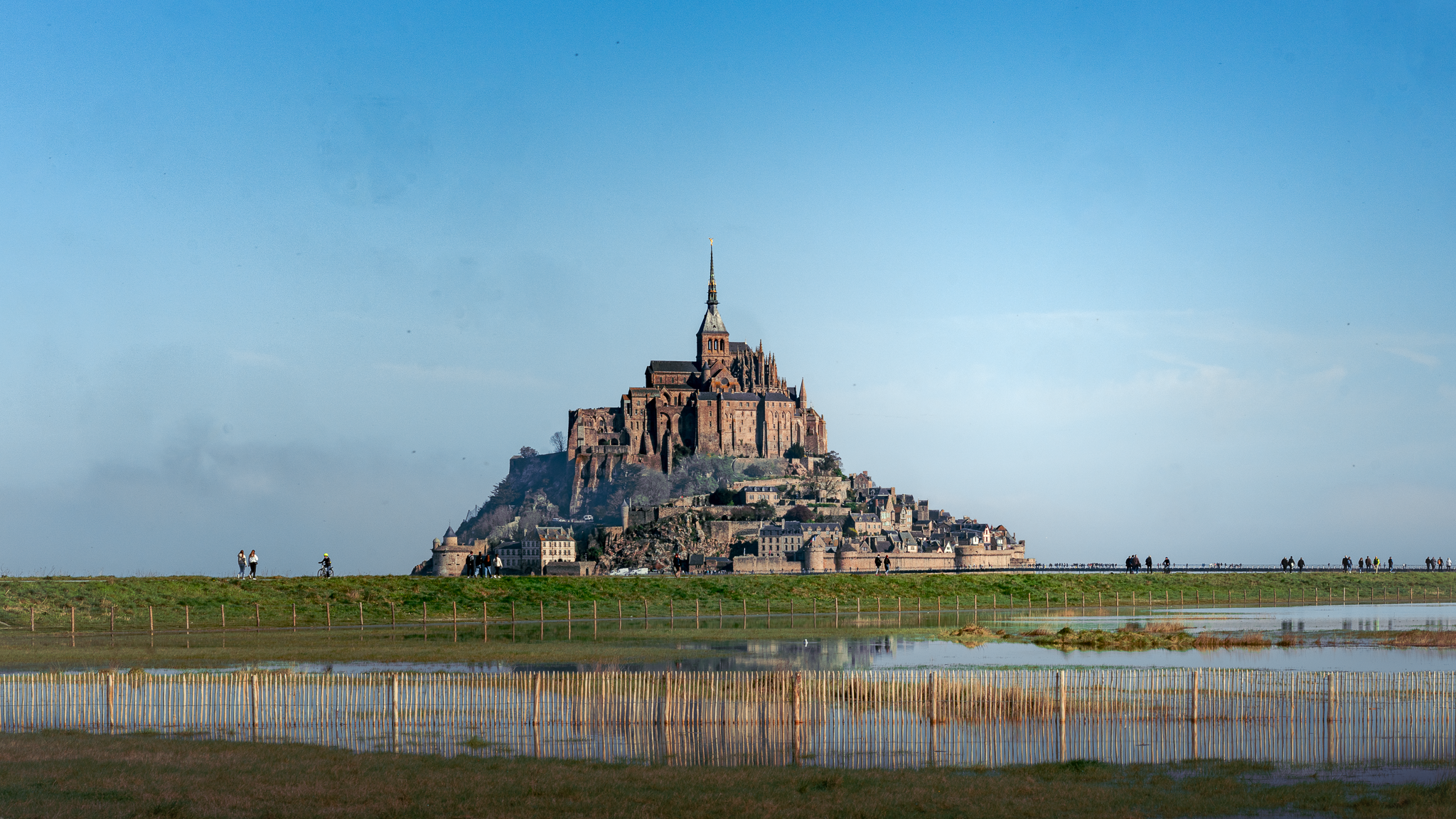
Le Mont-Saint-Michel (dahulu Mont-Tombe) terletak di sebuah teluk makro-pasang di pesisir Normandia/Manche. Menurut tradisi, pada tahun 708 Sang Malaikat Mikhael menampakkan diri kepada Uskup Aubert dari Avranches yang kemudian memerintahkan pendirian sebuah kapel di puncak batu itu — titik awal aktivitas keagamaan yang berkembang menjadi biara besar.
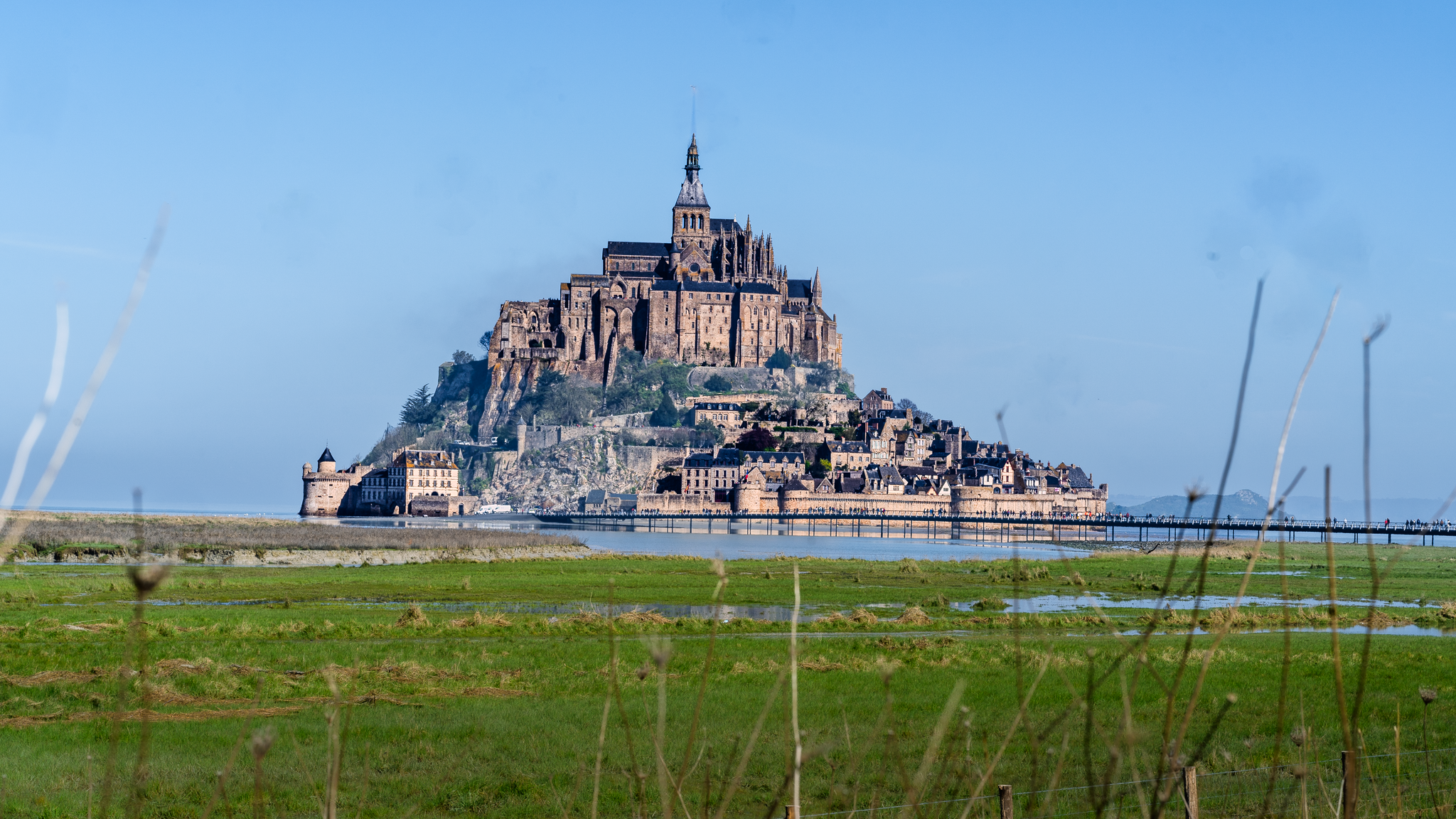
Selama Abad Pertengahan situs ini menjadi tujuan ziarah penting, pusat ilmu pengetahuan monastik, dan titik pertahanan strategis; di masa modern juga pernah berfungsi sebagai penjara sebelum program restorasi abad ke-19 dan pengakuan sebagai warisan dunia UNESCO.
Sejarah ringkas (timeline kritis)
Awal abad ke-8: Legenda penampakan St-Michael dan pendirian oratorium.
Abad ke-10 — 12: Transformasi menjadi biara Benediktin yang mapan; pembangunan inti gerejawi Romanesque dan perluasan struktur.
Abad ke-13: Penambahan elemen Gothic dan benteng pertahanan; Mont tetap tak pernah ditaklukkan selama Perang Seratus Tahun.
Era modern (abad ke-18 — 19): Konversi sementara menjadi penjara; restorasi konservasi dimulai dan status monumen historis dipertegas.
Abad ke-20 — 21: Pengakuan UNESCO (1979) dan upaya ekologi/hidraulik untuk mengembalikan fungsi pulau alami dan melindungi ekosistem teluk.

Masyarakat dan Budaya Lokal
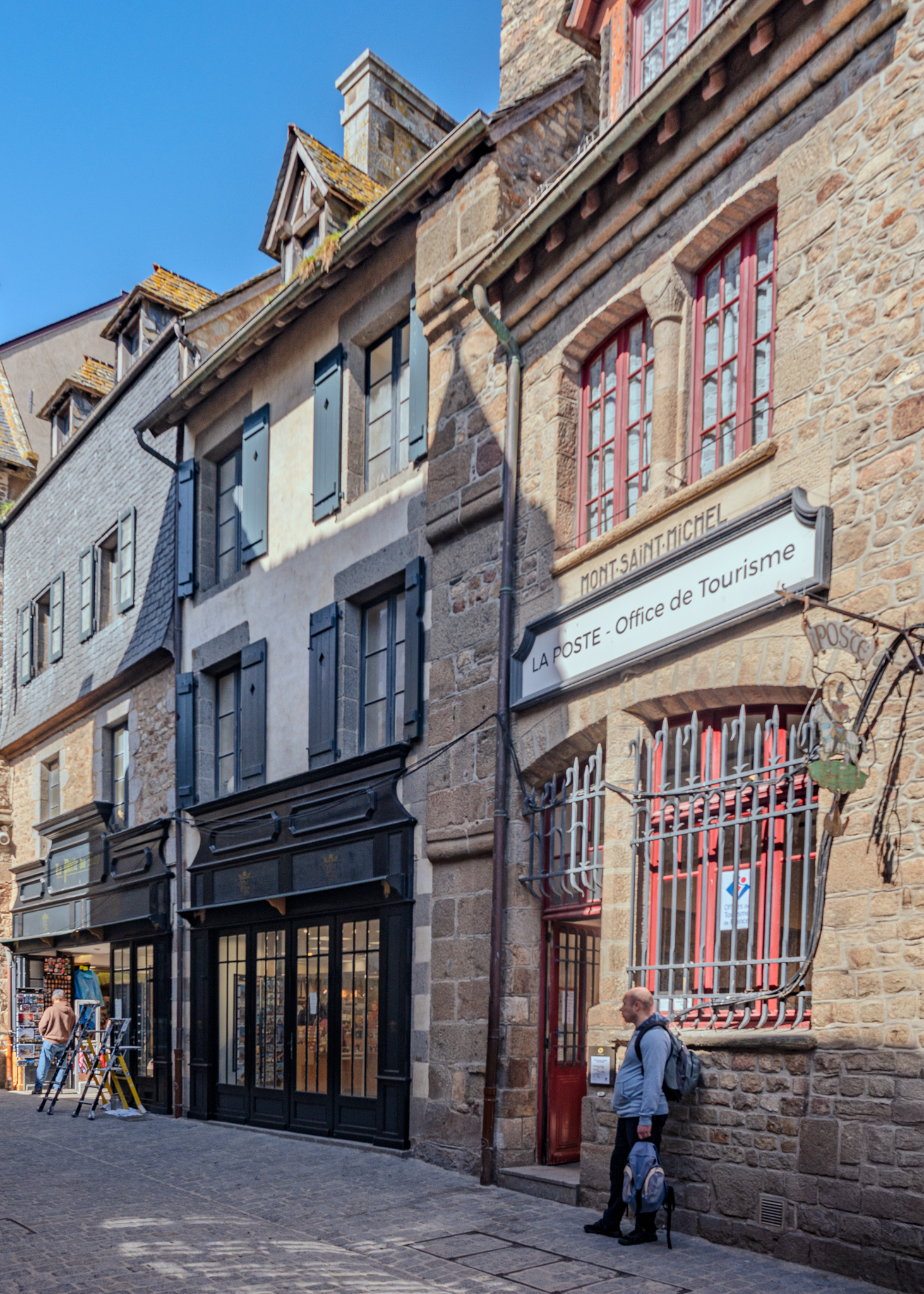
Walau mont itu sendiri hanya dihuni sedikit penduduk permanen (puluhan jiwa) modernnya, Mont-Saint-Michel memiliki peran kultural yang besar: pusat ziarah, simbol identitas regional Normandia, dan magnet pariwisata (lebih dari 2–3 juta pengunjung/tahun pada dekade terakhir).
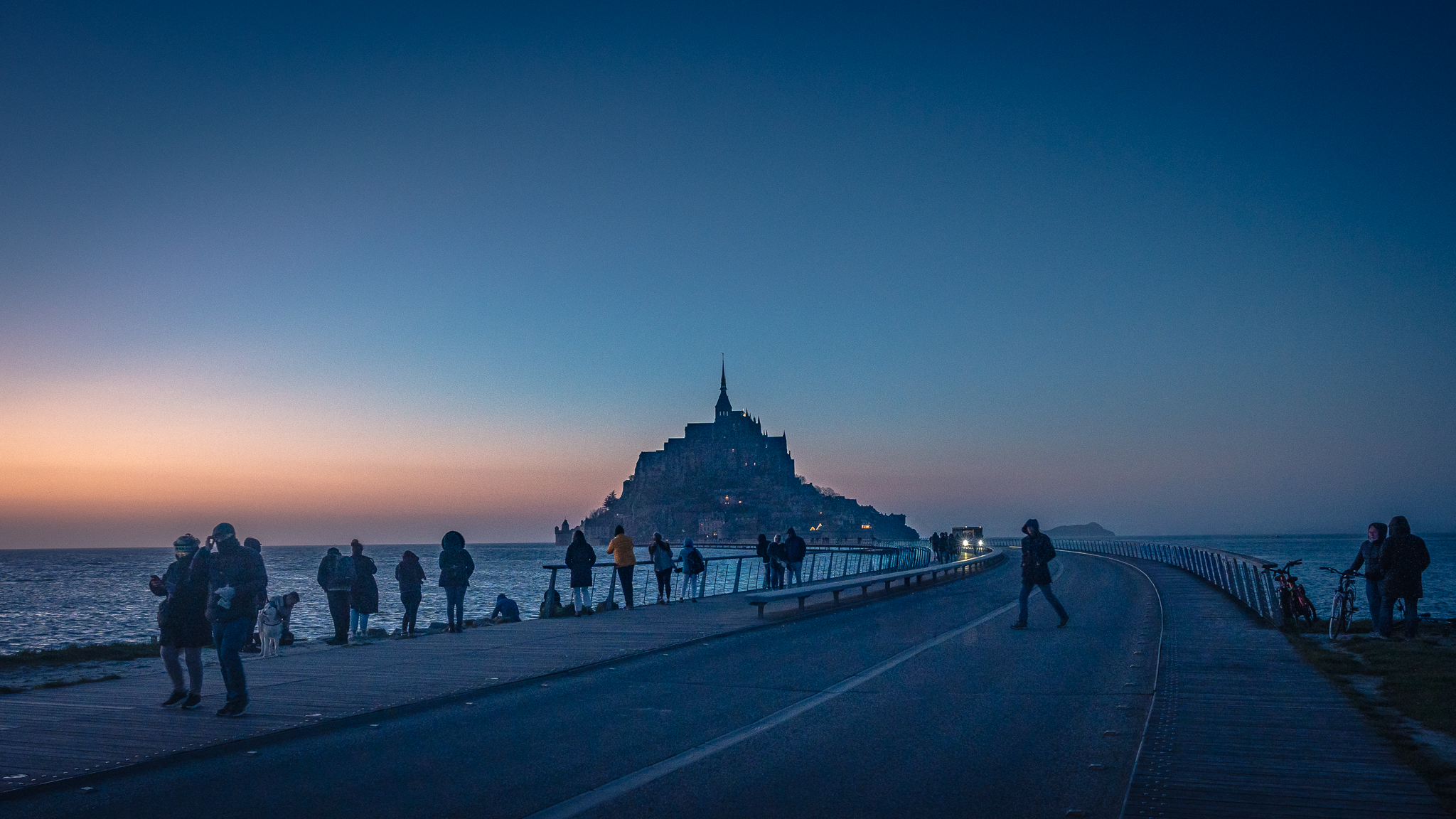
Kehidupan lokal berpusat pada pelayanan ziarah, pariwisata bersejarah, dan pengelolaan situs bersejarah; komunitas religius—komunitas Benediktin modern atau fraternitas monastik—juga mempertahankan fungsi liturgis dan spiritual. Tradisi kuliner (mis. garam dan produk laut dari teluk) serta kerajinan lokal masih mengitari ekonomi komunitas pesisir sekitar.

Arsitektur: Strategi bentuk terhadap topografi dan struktur vertikal
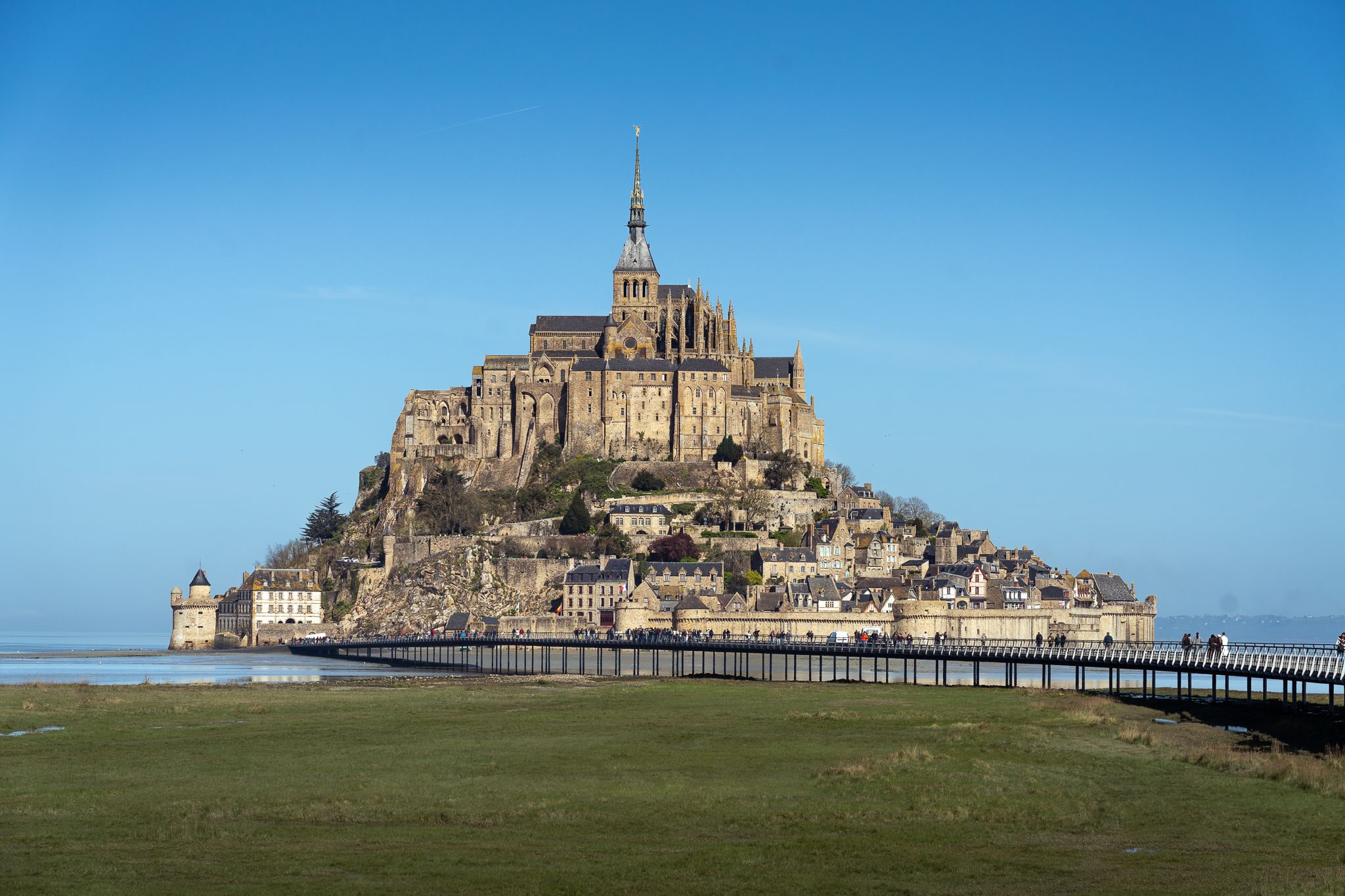
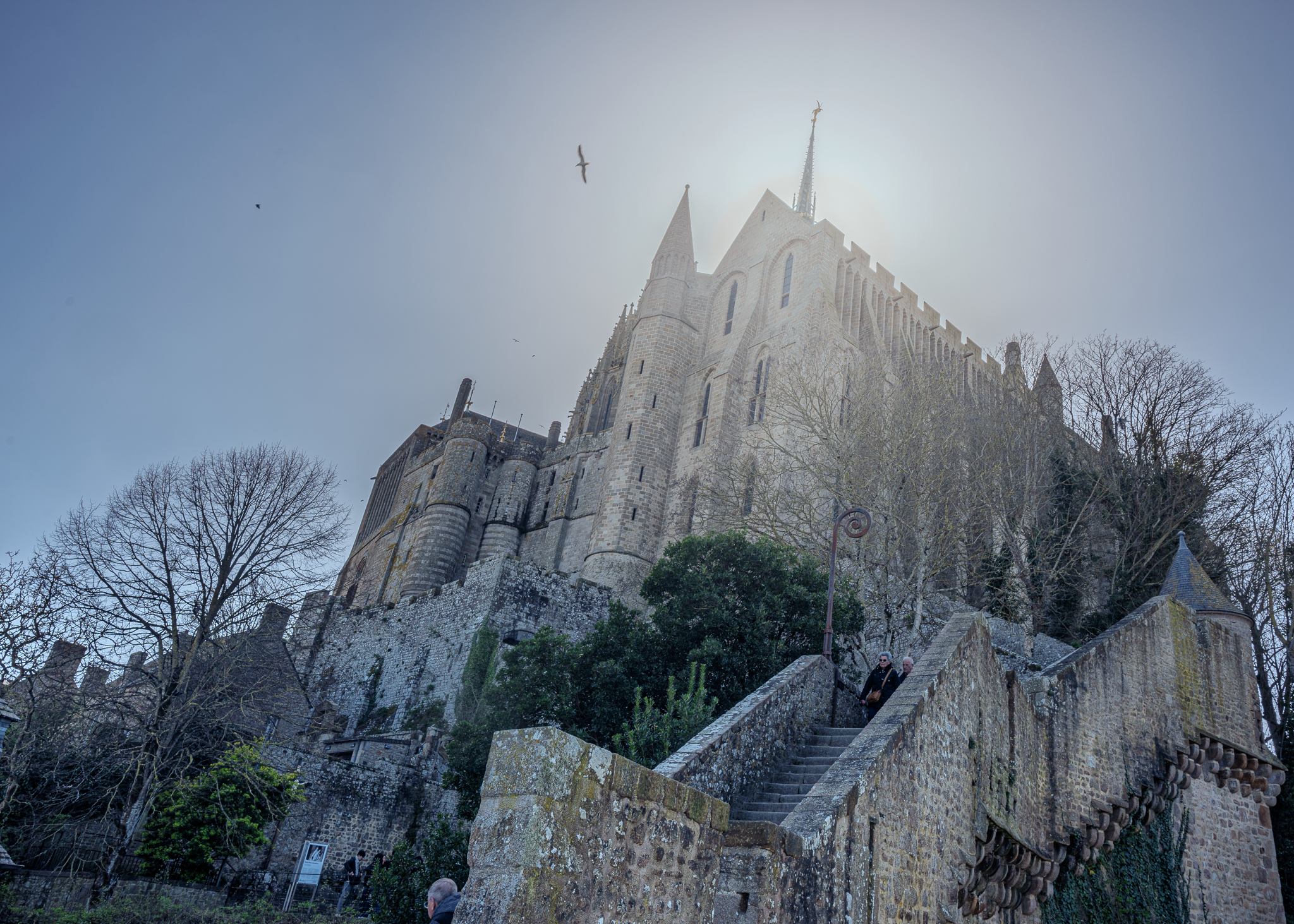
Le Mont-Saint-Michel menunjukkan adaptasi arsitektural khas: pembangunan “vertikal” yang menanggapi topografi batu kecil — fungsi keagamaan di puncak, ruang monastik dan refektorium di tengah, serta struktur komersial/rumah warga di bagian lebih rendah. Secara tipologis, kompleks ini memadukan elemen Romanesque (massa batu, lengkungan bundar pada bagian awal) dan Gothic (peninggian kubah, vaulting rib, struktur penopang vertikal) yang terlihat pada fase rekonstruksi abad ke-11 hingga 13.
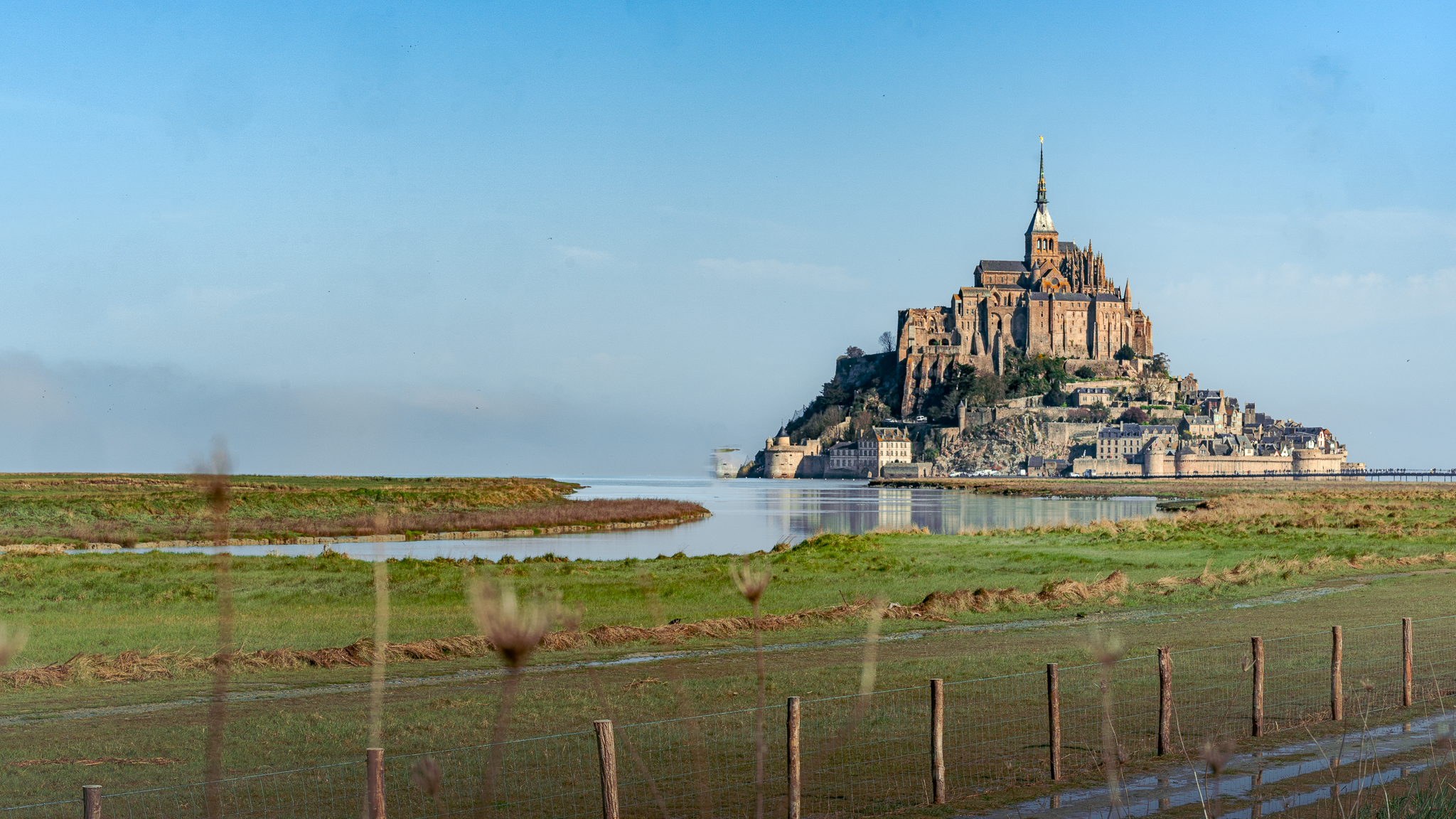
Teknik-teknik pembangunan mencakup penguatan fondasi pada celah-celah batu, pembangunan kripta dan sistem pilar untuk menyalurkan beban vertikal besar ke batuan bawah. Kombinasi benteng pertahanan (tembok dan bastion) dengan tata kota vertikal menegaskan sifat ganda Mont sebagai tempat suci dan benteng.

Alam, Habitat, dan Ekologi Teluk
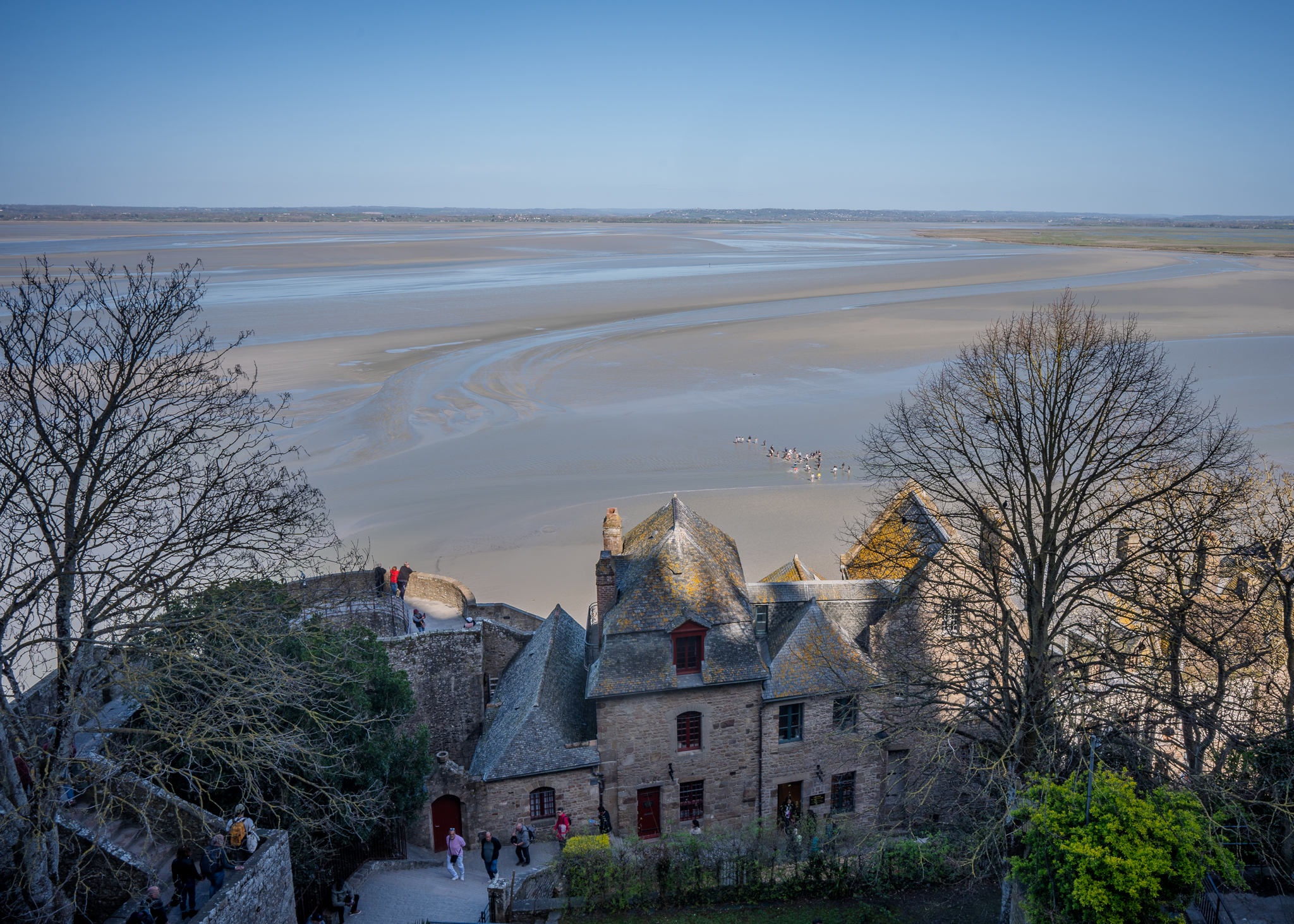
Teluk Mont-Saint-Michel memiliki variasi habitat yang kaya: hamparan pasir, lumpur, padang rumput garam (salt marshes), dan ceruk kerak tiram/biota laut seperti Sabellaria alveolata. Teluk ini dikenal karena range pasang-surut ekstrem (hingga ~13–14 m), yang membuka ekstensif daerah ekspos pada surut dan menjadi habitat penting bagi burung pantai (ratusan ribu individu pada musim dingin).
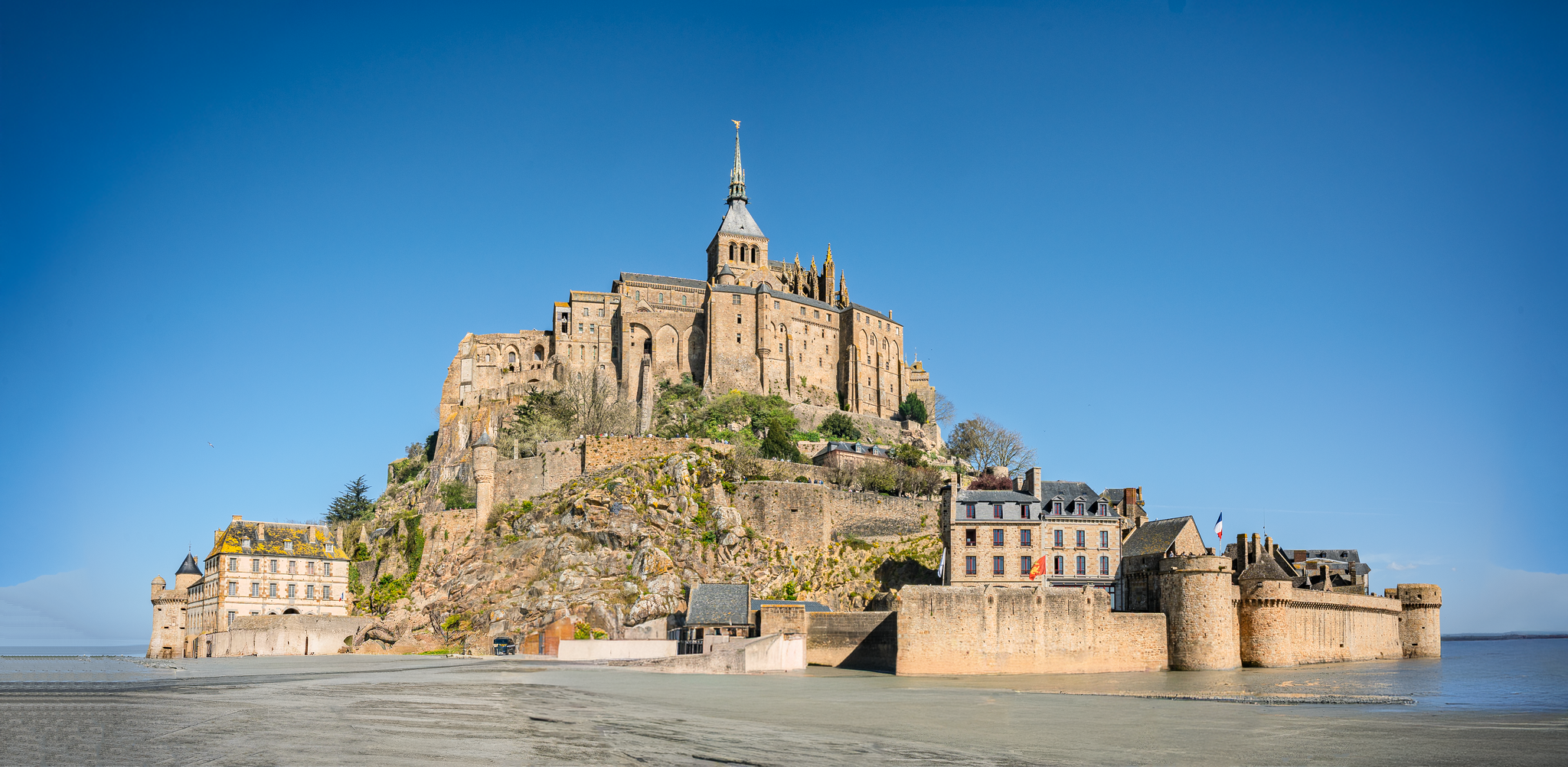
Status ekologi wilayah mendapat perhatian internasional (mis. Ramsar dan perlindungan UNESCO) karena keanekaragaman hayati yang tinggi serta pentingnya fungsi ekologis teluk sebagai tempat pangan dan istirahat burung migran. Intervensi hidraulik dan proyek rekayasa (seperti pembangunan jembatan baru dan pengelolaan sedimen) dilakukan untuk mengurangi sedimentasi yang mengancam “pulau” dan habitat pasang-surut.

Iklim dan Dampak Lingkungan
Wilayah Normandia pesisir tempat Mont-Saint-Michel berada beriklim laut sedang (temperate oceanic climate): musim panas sejuk, musim dingin relatif ringan—dengan fluktuasi curah hujan sepanjang tahun—namun variabilitas cuaca pesisir dan angin kencang menjadi faktor mikroklimat lokal. Perubahan iklim global dapat memperburuk erosi pesisir, perubahan pola sedimen, dan tekanan pada ekosistem teluk; oleh karena itu manajemen adaptif (rekayasa hidrolik sekaligus pendekatan konservasi pasif) menjadi penting untuk menjaga integritas alam dan budaya situs.
Konservasi, Pengelolaan, dan Tantangan Kontemporer
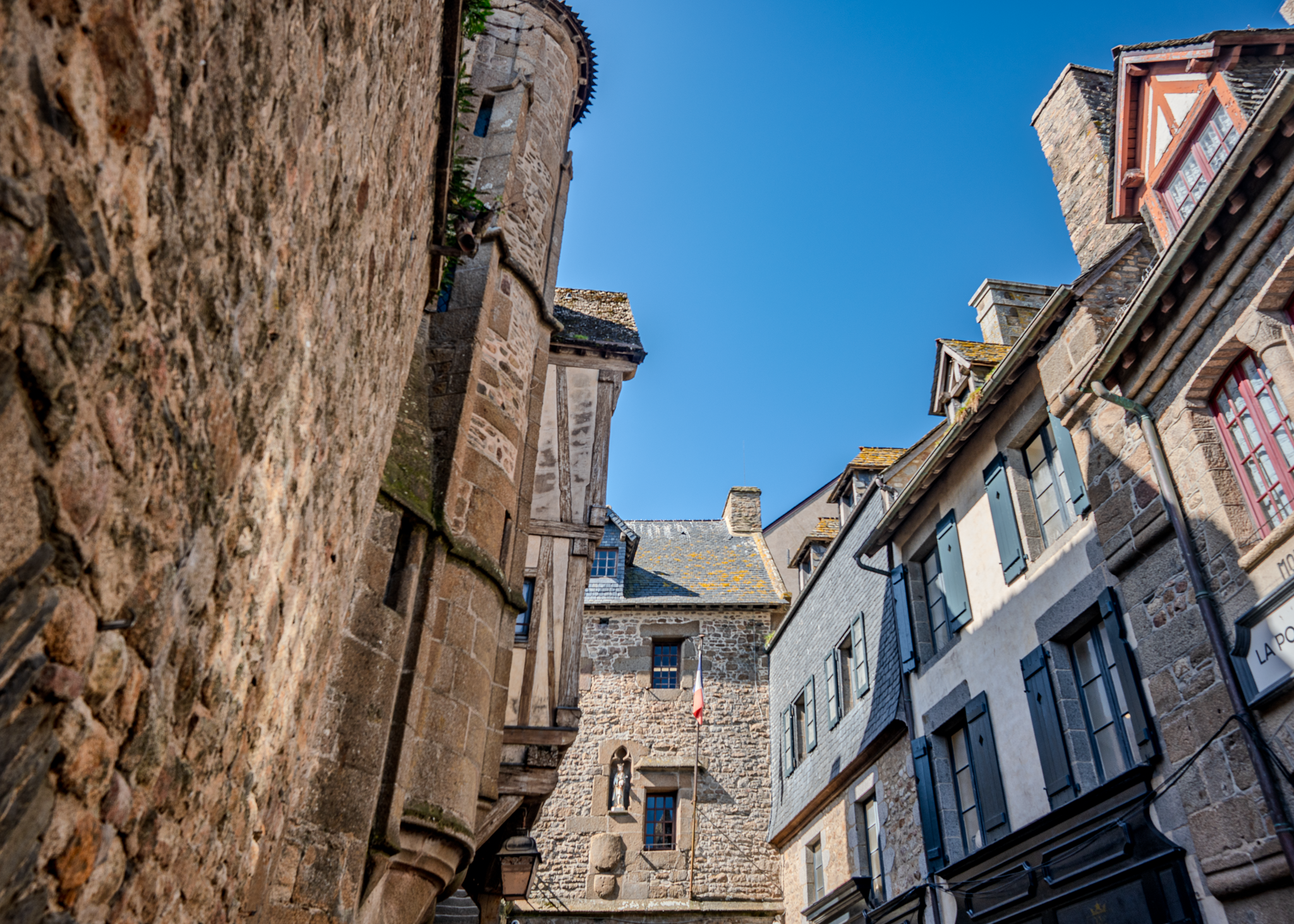
Mont-Saint-Michel adalah contoh kompleks penggabungan perlindungan warisan budaya dan konservasi ekosistem pesisir. Tantangan utama meliputi: tekanan pariwisata massal, sedimentasi yang menghubungkan pulau ke daratan (proses “pengorokan” yang mengurangi efek pulau), serta kebutuhan untuk melestarikan struktur batuan kuno tanpa mengorbankan fungsi ekologis sekitarnya.
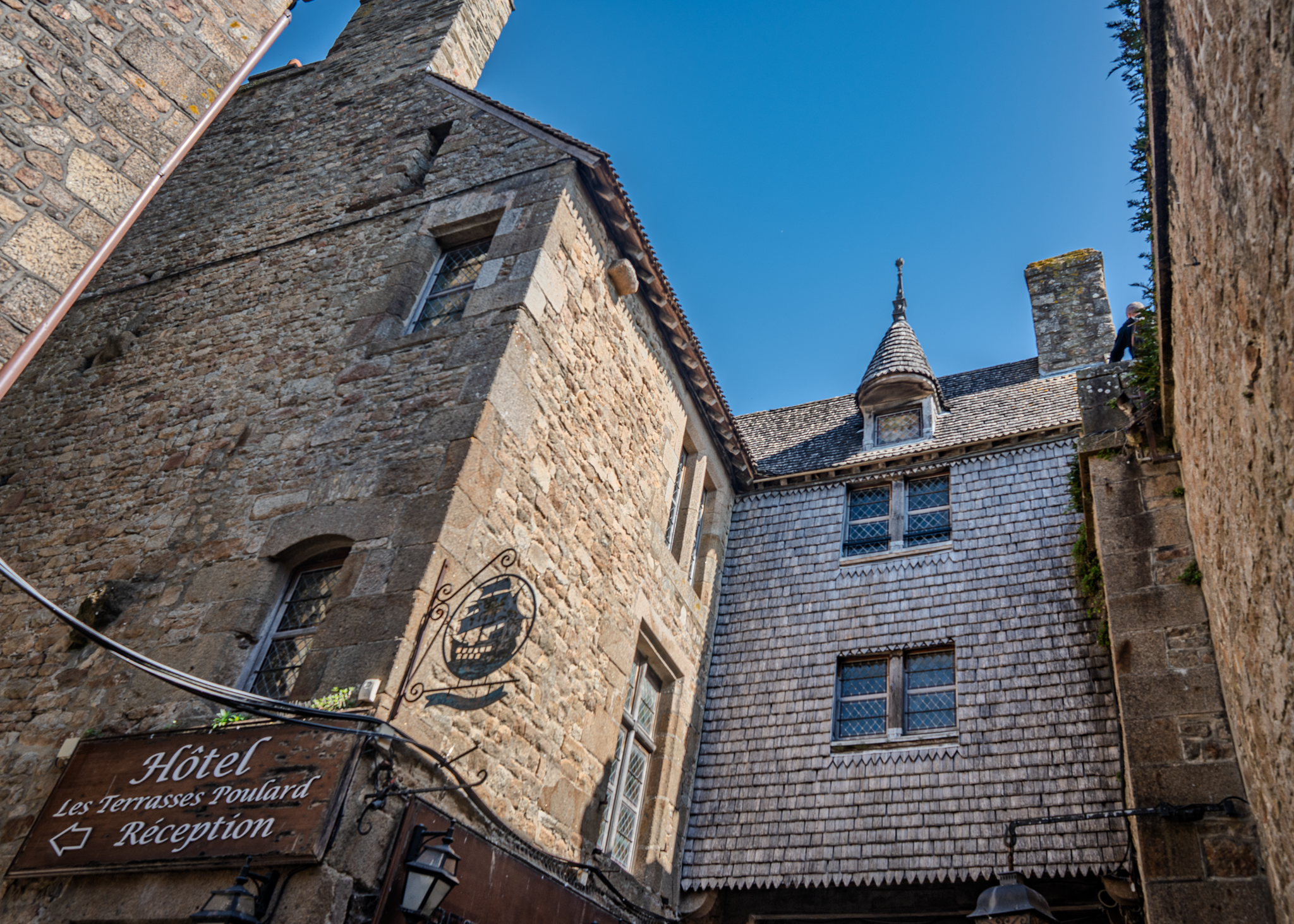
Upaya-upaya terbaru mengombinasikan pembangunan infrastruktur yang lebih ramah hidrodinamika (mis. jembatan yang memungkinkan aliran pasang turun) dan kebijakan zonasi kunjungan demi mitigasi dampak pengunjung. Pengakuan UNESCO dan zona Ramsar menjadi alat politik dan ilmiah untuk mengamankan dukungan pendanaan dan penelitian berkelanjutan.
Le Mont-Saint-Michel adalah warisan gabungan: arsitektur religius-militer yang khas, ekosistem teluk berkeanekaragaman tinggi, dan pusat kebudayaan-pilgrimage yang hidup. Perlindungan situs ini menuntut pendekatan interdisipliner—sejarah, arsitektur konservasi, hidrologi pesisir, serta ilmu lingkungan—agar nilai-nilai material dan non-materialnya lestari untuk generasi mendatang. Integrasi antara intervensi teknik dan kebijakan konservasi berbasis ilmu (science-based management) tetap menjadi kunci pengelolaan yang berhasil.
Referensi
UNESCO World Heritage Centre — Mont-Saint-Michel and its Bay.
Ramsar Convention — Baie du Mont-Saint-Michel, France.
Encyclopaedia Britannica — Mont-Saint-Michel.
Situs resmi Abbaye du Mont-Saint-Michel — History of the monument.
Bangunan Gereja
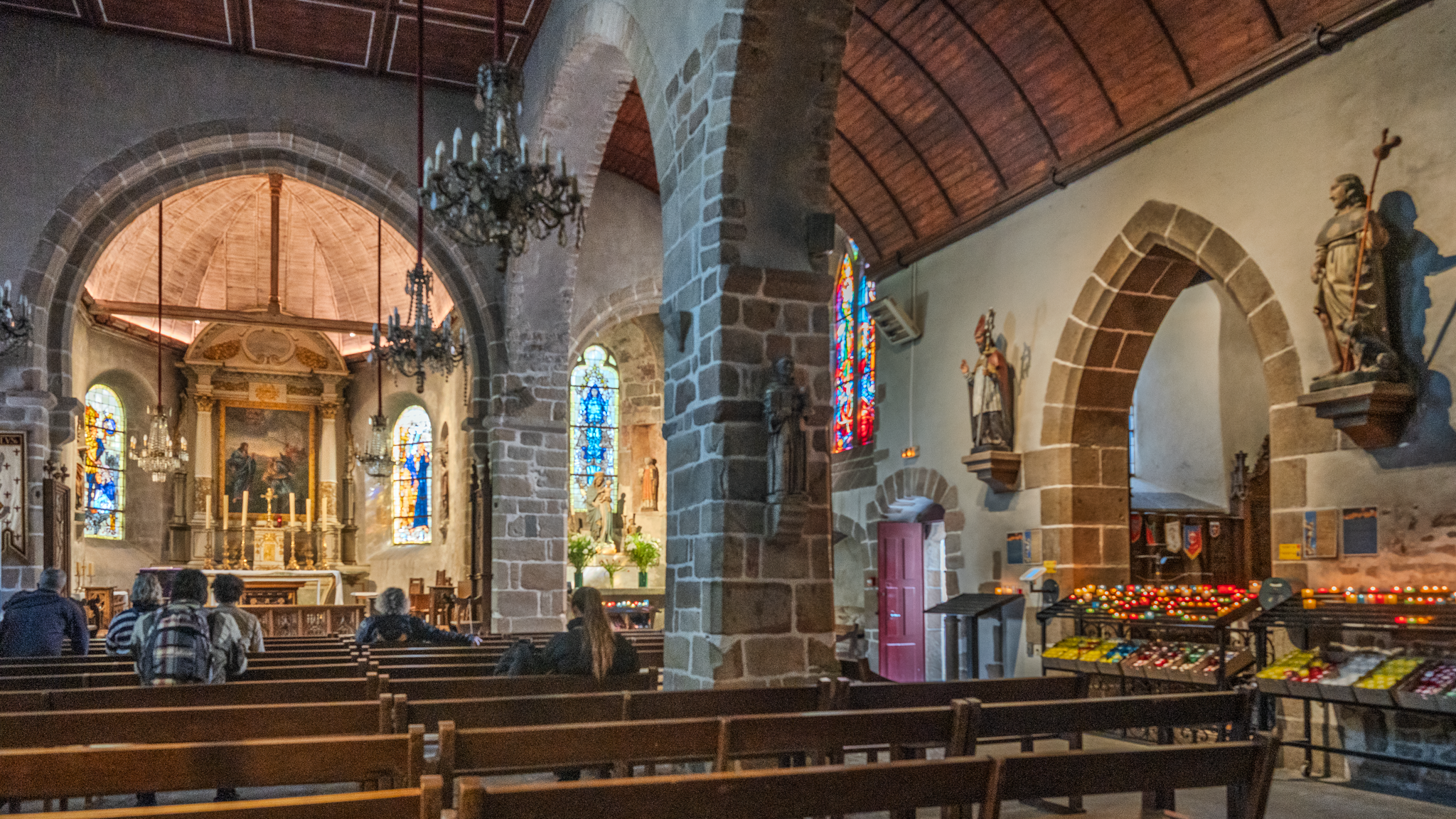
Gereja yang berada di dalam Mont-Saint-Michel Normandia, Prancis secara resmi dikenal sebagai Biara Mont-Saint-Michel. Secara khusus, bangunan ibadah utamanya adalah gereja biara yang terletak di puncak batu.
Abad ke 8–10 Asal-usul
Pada tahun 708, Aubert, Uskup Avranches, mendirikan tempat suci pertama di pulau berbatu tersebut setelah dilaporkan menerima penglihatan Malaikat Agung Mikhael. Bangunan awal berupa oratorium kecil dengan skala yang sangat sederhana.
Abad ke 10–11 Kelahiran Gereja Biara
Sekitar tahun 960, para biarawan Benediktin menetap di Mont tersebut dan membentuk sebuah komunitas monastik yang terorganisasi. Pembangunan gereja biara bergaya Romanesque dimulai pada tahun 1023, didirikan secara dramatis di puncak batu utama.
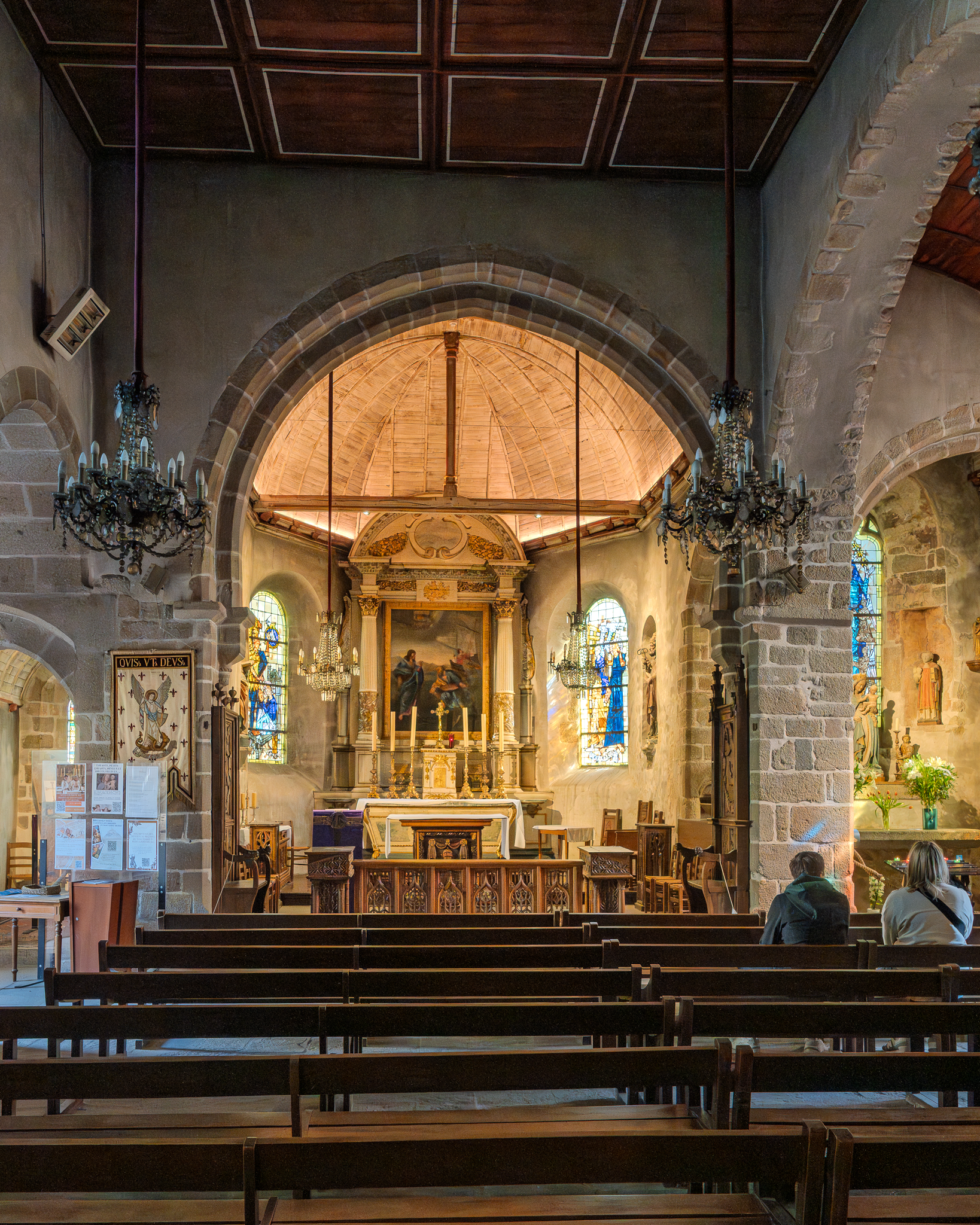
Abad ke 12–13 Ekspansi Gotik
Kebakaran dan keruntuhan bangunan pada tahun 1203 memicu rekonstruksi besar-besaran. Pada fase inilah elemen-elemen Gotik paling ikonik mulai dibangun, antara lain: La Merveille (“Keajaiban”), sebuah kompleks bertingkat yang mencakup klaustrum, ruang makan biara (refektorium), dan aula monastik. Rekonstruksi paduan suara (choir) gereja dalam gaya Gotik, menggantikan struktur Romanesque sebelumnya. Periode ini membentuk sebagian besar identitas visual Mont-Saint-Michel sebagaimana dikenal saat ini.
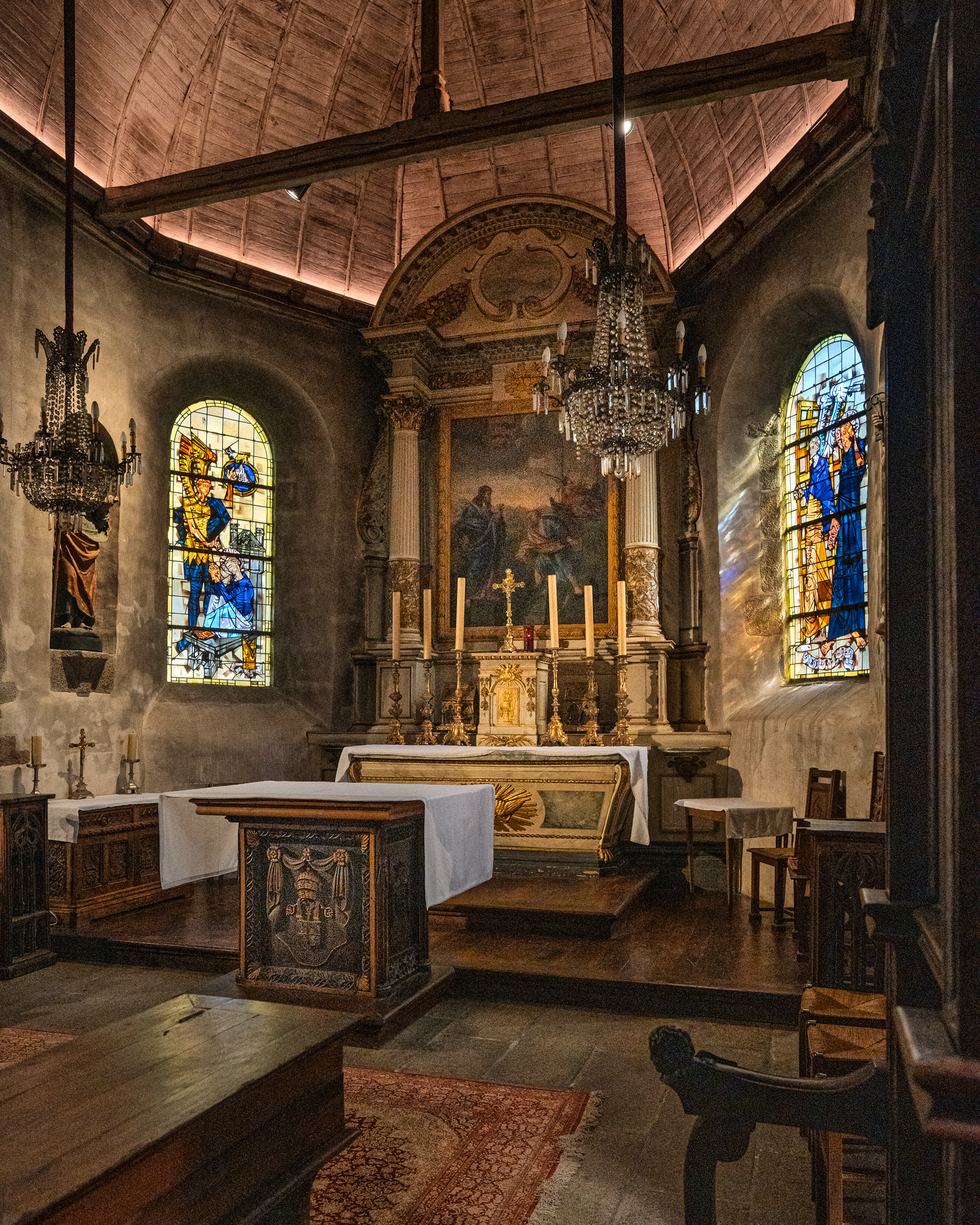
Abad ke 14–15 Era Fortifikasi
Selama Perang Seratus Tahun, Mont-Saint-Michel berkembang menjadi benteng yang hampir tak tertembus. Tembok pertahanan, bastion, dan menara ditambahkan mengelilingi kompleks biara. Gereja tetap berfungsi sebagai pusat ibadah, namun juga memperoleh peran strategis dalam konteks militer.
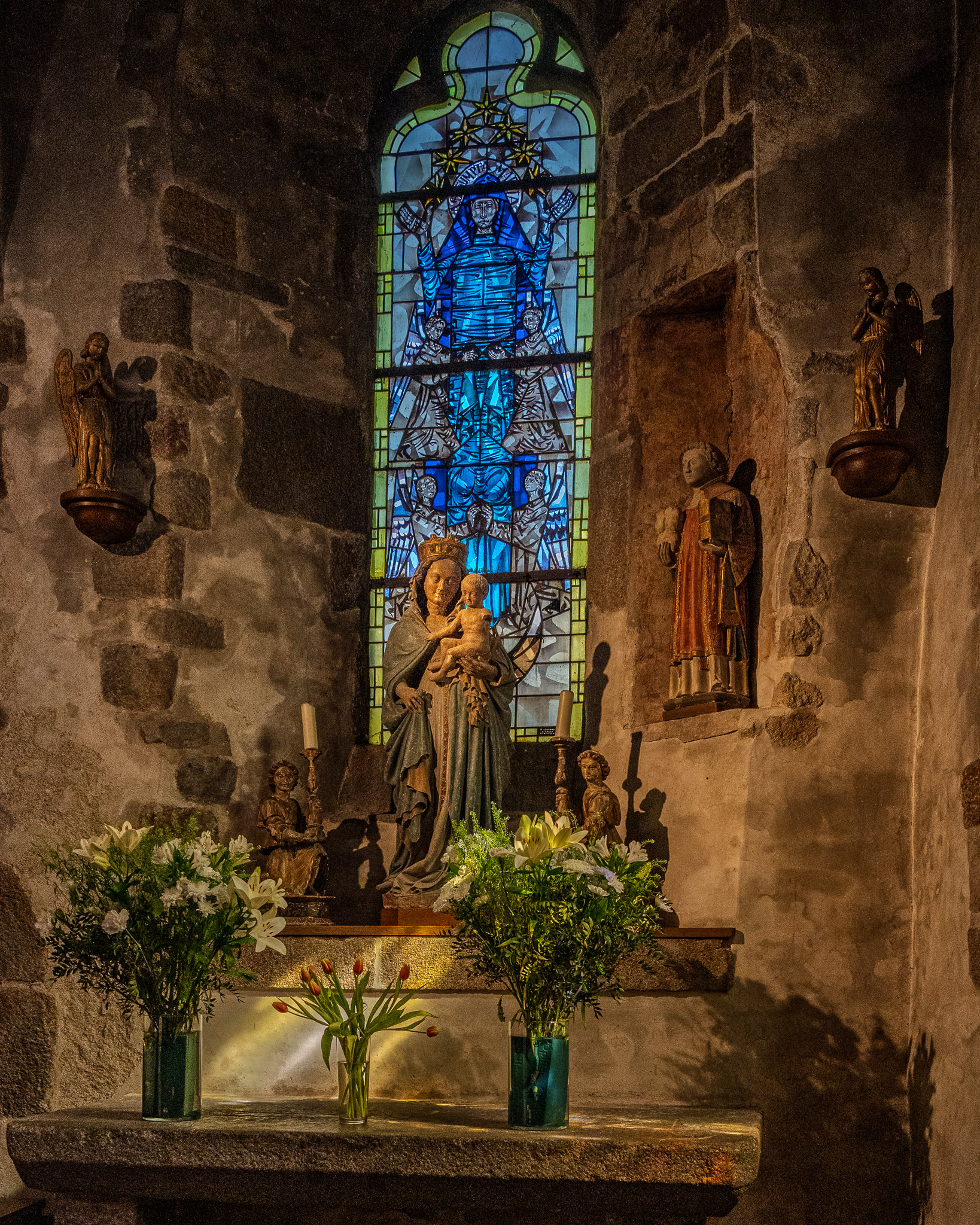
Abad ke 16–18 Masa Kemunduran
Kehidupan monastik melemah seiring dengan kemunduran institusi biara abad pertengahan secara umum. Menjelang Revolusi Prancis (1789), para biarawan sepenuhnya meninggalkan biara. Mont-Saint-Michel kemudian dialihfungsikan menjadi penjara negara, dan gereja mengalami pengabaian serta kerusakan struktural.
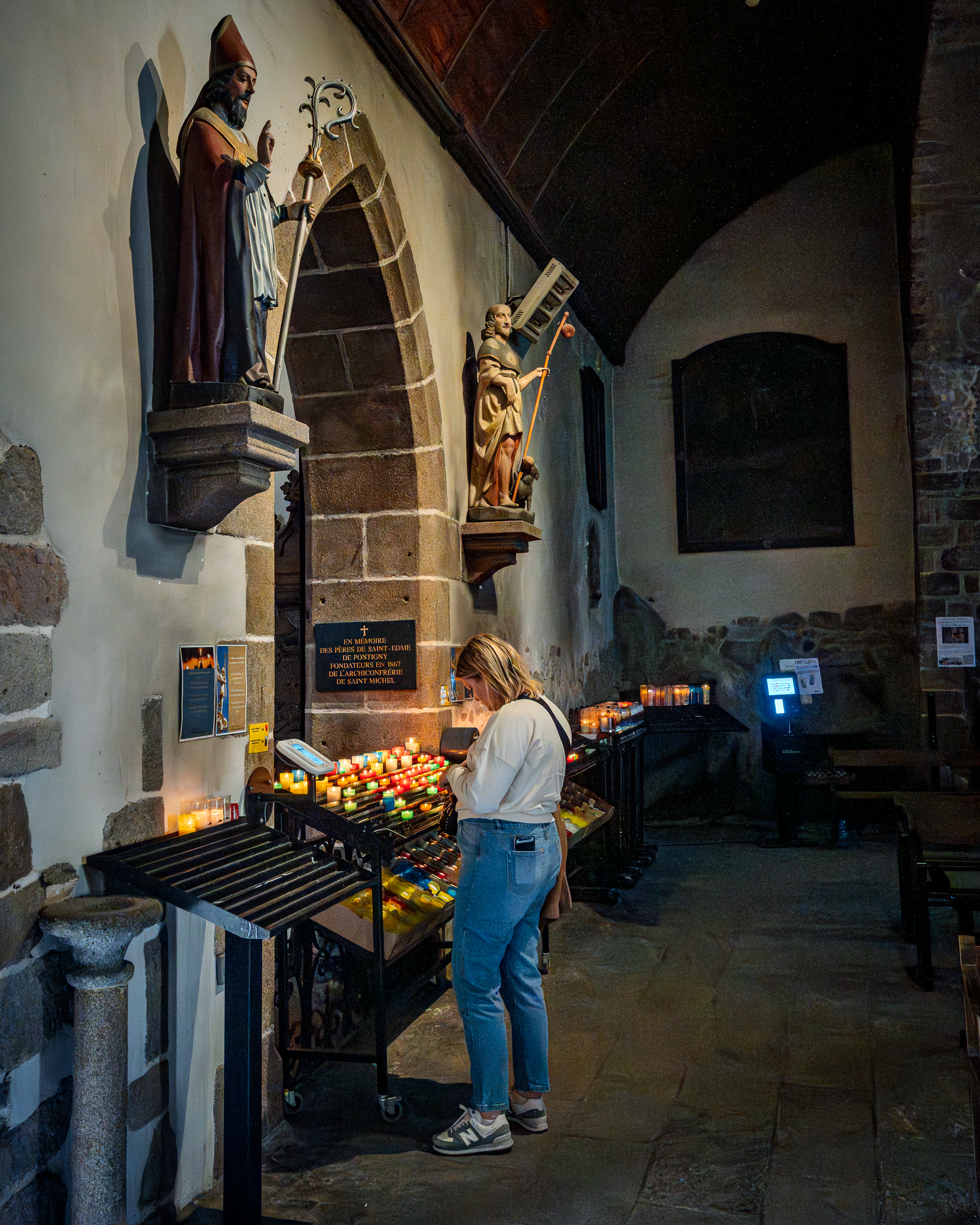
Abad ke 19 Restorasi
Pada tahun 1874, Mont-Saint-Michel ditetapkan sebagai monumen bersejarah. Program restorasi berskala besar dimulai di bawah arahan arsitek Eugène Viollet-le-Duc dan para penerusnya. Menara neo-Gotik beserta patung Santo Mikhael di puncaknya ditambahkan pada tahun 1897.
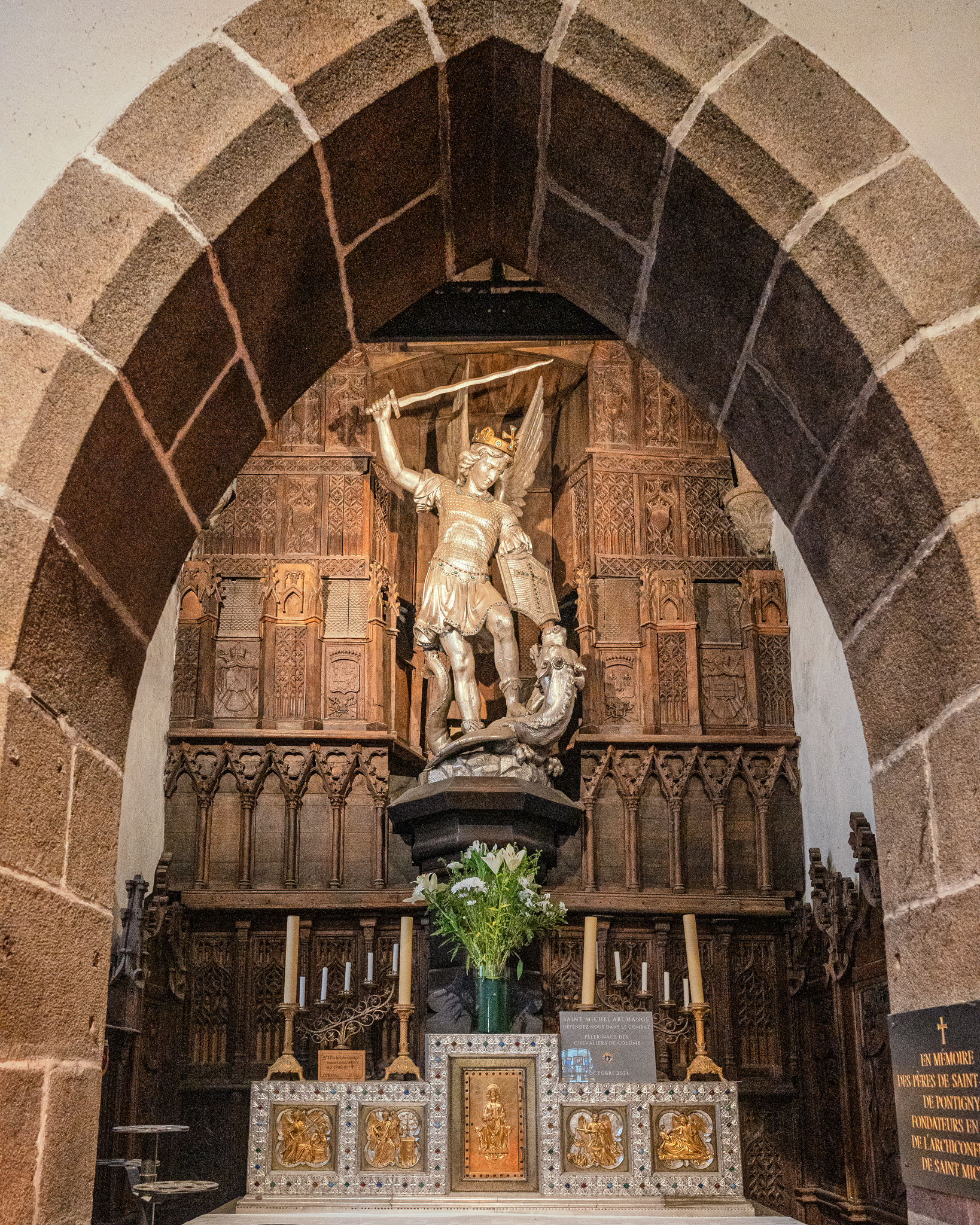
Abad ke 20–21 Kebangkitan Kembali
Penguatan struktur modern, penelitian arkeologi, dan restorasi berkelanjutan terus dilakukan untuk melestarikan gereja. Kehidupan monastik kembali hadir pada tahun 1966; hingga kini komunitas religius kembali menghuni biara. Gereja biara berfungsi sebagai tempat ibadah, ziarah, serta situs budaya utama berskala internasional.