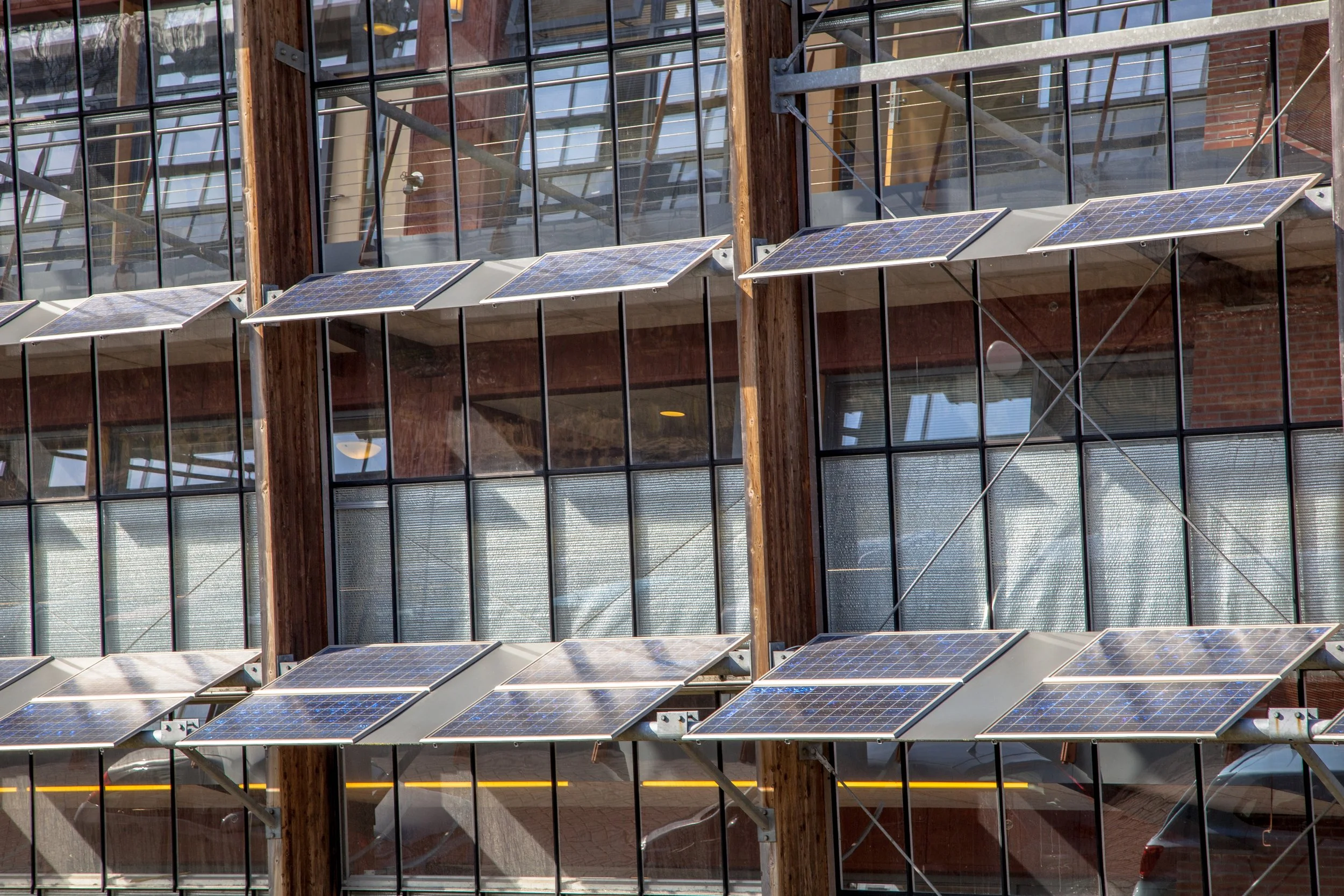
Optimize built environment responsive strategies such as building orientation, envelope performance, daylighting, and natural ventilation to reduce energy demand and enhance thermal and visual comfort through climate-driven, simulation-based design.
Human-Centered Passive Building Design
What is Human Centered Passive Building Design?
Human-Centered Passive Building Design uses climate-responsive strategies such as energy modeling, building thermal optimization, daylighting optimization, natural ventilation, soundscape and geothermal HVAC systems to reduce energy demand and improve human-centered indoor environmental quality.
Passive Design Element
❋ Building - Opening Orientation
We blend guided moments, open exploration, and space to reflect—so the experience feels both focused and fluid.
❋ Building Envelope Optimization
Connection is a core part of the process. You’ll learn just as much from the group as from the content itself.
❋ Daylighting Design Optimization
Led by experienced guides who know how to hold space, encourage participation, and keep things moving with purpose.
❋ Natural Ventilation Strategy
Our events prioritize comfort, safety, and respect—so you can show up as you are and fully engage in the process.
Human-Centered Built Environment Passive Design Services
Our human-centered passive design process is thoughtful yet accountable.
-
We provide performance-driven energy modeling to evaluate and optimize passive design strategies at early and detailed design stages. By simulating building form, envelope, orientation, and environmental conditions, we quantify energy demand, thermal behavior, and daylight performance. Our approach supports informed decision-making, enabling reduced operational energy, improved comfort, and compliance with sustainability standards through data-backed design optimization.
-
We optimize building thermal performance through passive design strategies that reduce heat gain, improve envelope efficiency, and stabilize indoor conditions. By analyzing climate, orientation, façade design, and material properties, we enhance thermal comfort while minimizing reliance on mechanical cooling. Our performance-driven approach delivers energy-efficient, climate-responsive solutions that support sustainable and resilient building design.
-
We optimize daylight performance to enhance visual comfort while reducing reliance on artificial lighting. By analyzing building orientation, façade design, glazing, and shading strategies, we balance daylight distribution, glare control, and thermal impact. Our performance-driven approach delivers well-lit, energy-efficient environments that support occupant wellbeing and sustainable building performance.
-
We optimize natural ventilation strategies to enhance indoor air quality and thermal comfort while reducing reliance on mechanical systems. By analyzing climate, wind patterns, building form, and façade openings, we design effective airflow paths that support cross and stack ventilation. Our performance-driven approach delivers energy-efficient, climate-responsive solutions that improve occupant wellbeing and overall building performance.
-
We design geothermal HVAC systems that leverage stable ground temperatures to enhance building energy performance and thermal comfort. By integrating ground-coupled heat exchange with building envelope and load strategies, we reduce heating and cooling demand while improving system efficiency. Our performance-driven approach delivers low-energy, low-carbon solutions with reliable, long-term operation for sustainable building design.
-
We design intentional soundscapes that shape the sound experience of built environments through passive strategies. By analyzing site context, spatial layout, materiality, and natural masking elements, we manage noise while enhancing desirable sounds. Our performance-driven approach improves acoustic comfort, supports wellbeing, and creates balanced, context-responsive environments without reliance on active systems.
-
We integrate on-site renewable energy systems—such as solar PV—into passive building strategies to achieve net zero performance. By aligning energy demand reduction with optimized generation, system sizing, and building integration, we ensure efficient, reliable, and measurable outcomes. Our performance-driven approach delivers balanced energy production and consumption, supporting low-carbon, future-ready buildings.
Integrity, creativity, and empathy shape the way we work. These aren't just words—they’re the foundation of everything we build. We believe in doing great work, building real relationships, and making it easy for you to get the results you’re looking for.
What Sets Us Apart
Human-Centered Approach
Everything we do is built around understanding your needs, how people response to built-environment and helping you succeed — because when you thrive, so do we.
A Focus on Performance
We hold our work to high standards. We focus on sustainable results built on smart strategy and real insight.
Seamless Integration
We follow through every detail integration, meet deadlines, and show up when it matters. Consistency is part of our promise.
Responsive & Adaptive
We bring structure where it counts and adaptability where it matters. Our methods are clear, but always responsive.
Big Ideas, Real Impact.
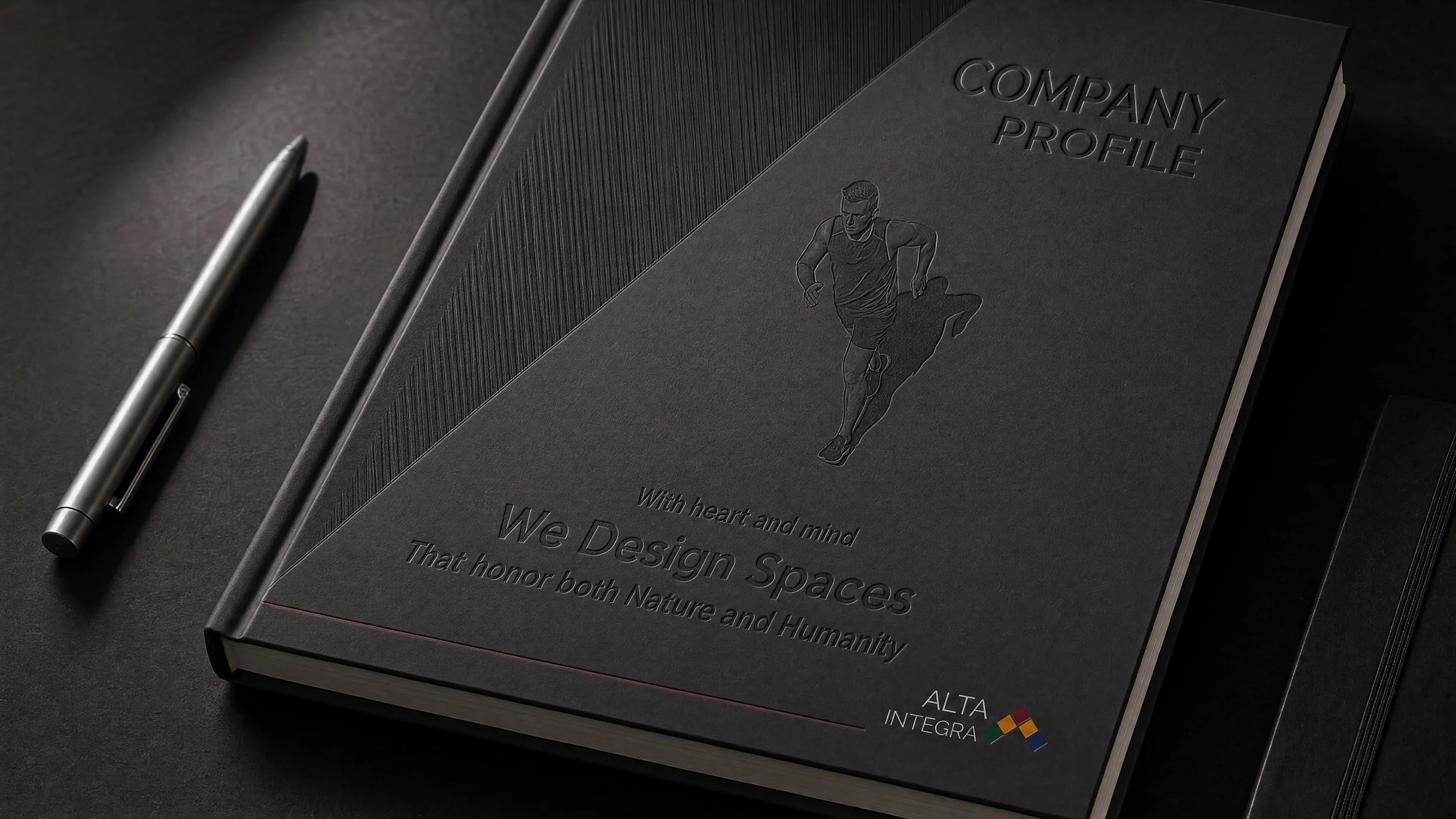
Download ALTA Integra Company Profile, Driven by curiosity and built on purpose, this is where bold thinking meets thoughtful execution.
JP Morgan
Bank of America
DBS
Bank Indonesia
Mandiri
ByteDance
Meta
Spotify
Nokia
Astra Zeneca
GBK IMS
Jakarta International Stadium
Agung Sedayu
Agung Podomoro
Paramount
Shimizu
Takenaka
Western Sydney University
Tzu Chi School
Katedral Jakarta
Katedral Makassar
JP Morgan Bank of America DBS Bank Indonesia Mandiri ByteDance Meta Spotify Nokia Astra Zeneca GBK IMS Jakarta International Stadium Agung Sedayu Agung Podomoro Paramount Shimizu Takenaka Western Sydney University Tzu Chi School Katedral Jakarta Katedral Makassar
SHAU
Mmoser
GardeTokyo
Gensler
AndraMatin
PDW
Hanawal
GeniusLoci
ACG
Aboday
PTI
Hawawinata
dpi
Metaphor
CDA
Inspiral
Ong&Ong
DCM
Canang
JAP
BlueAntz
SHAU Mmoser GardeTokyo Gensler AndraMatin PDW Hanawal GeniusLoci ACG Aboday PTI Hawawinata dpi Metaphor CDA Inspiral Ong&Ong DCM Canang JAP BlueAntz
Human-Centered Passive Design for Sustainable and High-Performance Buildings
At ALTA Integra, we provide integrated building passive design consultancy services for architecture, commercial, hospitality, educational, healthcare, cultural, residential, industrial, and urban development projects across Indonesia and international markets.
Our multidisciplinary approach combines building physics, climate-responsive architecture, thermal optimization, daylighting, natural ventilation, energy modeling, and geothermal strategies to create buildings that are comfortable, sustainable, energy-efficient, and human-centric.
Passive design is no longer only about reducing operational energy consumption. Today, it plays a critical role in occupant wellbeing, environmental resilience, ESG strategy, carbon reduction, thermal comfort, and long-term building performance.
What Does a Building Passive Design Consultant Do?
A passive design consultant optimizes building performance through climate-responsive architectural strategies that minimize reliance on mechanical systems while improving thermal comfort, daylight quality, ventilation, and energy efficiency.
Our consultancy services include:
Building Thermal Optimization
Building Orientation & Massing Strategy
Opening & Envelope Optimization
Daylighting Design & Analysis
Natural & Adaptive Mechanical Ventilation
Energy Modeling & Simulation
Geothermal HVAC Integration
Climate-Responsive Façade Design
Solar & Heat Gain Analysis
Passive Cooling Strategy
Sustainable Building Performance Analysis
LEED & WELL Passive Design Support
We collaborate with architects, developers, interior designers, MEP consultants, sustainability consultants, and contractors from early concept design through commissioning and operational optimization.
Building Thermal Optimization Consultant
Climate-Responsive Thermal Comfort and Energy Reduction
Building thermal optimization focuses on reducing unwanted heat gain and improving indoor environmental comfort through passive architectural strategies.
We optimize:
Building orientation
Façade performance
Thermal envelope efficiency
Solar heat gain reduction
Passive shading systems
Thermal mass integration
Roof thermal performance
Window-to-wall ratio
Our thermal optimization services support:
Corporate offices
Hospitality developments
Residential projects
Educational facilities
Healthcare buildings
Mixed-use developments
Industrial and warehouse facilities
By integrating passive thermal strategies early in design stages, buildings can significantly reduce cooling loads and operational energy consumption while improving occupant comfort.
Heat Transfer Formula
Thermal performance analysis often evaluates conductive heat transfer:
𝑄=𝑈×𝐴×Δ𝑇Q=U×A×ΔT
Where:
𝑄Q = heat transfer
𝑈U = thermal transmittance (U-value)
𝐴A = surface area
Δ𝑇ΔT = temperature difference
Lower heat transfer improves thermal efficiency and indoor comfort.
Building Orientation, Opening & Envelope Consultant
Optimizing Building Form for Climate Performance
Building orientation and envelope design strongly influence thermal comfort, daylight quality, energy consumption, and occupant wellbeing.
We provide consultancy for:
Solar-responsive building orientation
Opening placement optimization
Façade shading strategy
Envelope material performance
Glazing specification analysis
Thermal bridge mitigation
Passive façade systems
Responsive envelope design
Our climate-responsive approach balances:
Solar control
Natural daylight access
Ventilation effectiveness
Visual comfort
Thermal stability
Architectural aesthetics
Proper building orientation and envelope design can significantly reduce cooling energy demand in tropical climates while improving occupant comfort and environmental performance.
Daylighting Optimization Consultant
Enhancing Visual Comfort and Reducing Artificial Lighting Demand
Daylighting design optimizes natural light penetration to improve visual comfort, wellbeing, and energy efficiency.
We provide daylight optimization services for:
Offices and workplaces
Educational facilities
Healthcare buildings
Hospitality environments
Residential developments
Public and cultural spaces
Our consultancy includes:
Daylight simulation and analysis
Glare mitigation strategy
Façade daylight optimization
Skylight and clerestory design
Daylight autonomy analysis
Circadian-supportive daylighting
Solar shading coordination
LEED and WELL daylight compliance
Natural light improves spatial quality, cognitive performance, emotional wellbeing, and environmental sustainability.
Daylight Factor Formula
A common metric for daylight performance analysis is:
𝐷𝐹=𝐸𝑖𝐸𝑜×100%DF=EoEi×100%
Where:
𝐷𝐹DF = daylight factor
𝐸𝑖Ei = indoor illuminance
𝐸𝑜Eo = outdoor illuminance
This helps evaluate daylight effectiveness within interior environments.
Natural & Adaptive Mechanical Ventilation Consultant
Improving Indoor Air Quality and Thermal Comfort
Natural ventilation strategies use wind movement, pressure differentials, and passive airflow principles to improve indoor environmental quality while reducing mechanical cooling demand.
We design ventilation strategies for:
Tropical architecture
Hospitality environments
Educational facilities
Residential projects
Public buildings
Mixed-mode ventilation systems
Our services include:
Cross ventilation analysis
Stack ventilation strategy
Adaptive mixed-mode ventilation
Wind flow simulation
Airflow path optimization
Opening and louver design
Indoor air quality enhancement
Passive cooling coordination
We integrate natural ventilation with adaptive mechanical systems to create resilient, energy-efficient, and occupant-responsive environments.
Airflow Relationship
Ventilation effectiveness relates to airflow behavior:
𝑄=𝐴×𝑉Q=A×V
Where:
𝑄Q = airflow rate
𝐴A = opening area
𝑉V = air velocity
Optimized airflow improves thermal comfort and indoor air quality.
Energy Modeling Consultant
Simulation-Based Building Performance Optimization
Energy modeling allows project teams to predict and optimize building performance before construction.
We provide:
Whole-building energy simulation
Thermal load analysis
Passive strategy evaluation
HVAC energy assessment
Envelope performance simulation
Daylight-energy integration analysis
Carbon reduction strategy
LEED and green building support
Our performance-driven workflow supports informed design decisions through quantitative analysis and simulation-based optimization.
Energy modeling helps project stakeholders:
Reduce operational costs
Improve sustainability performance
Optimize HVAC sizing
Enhance thermal comfort
Support ESG and carbon goals
Improve long-term building efficiency
Geothermal HVAC Consultant
Low-Energy Thermal Systems for Sustainable Buildings
Geothermal HVAC systems leverage stable underground temperatures to improve cooling and heating efficiency.
We provide geothermal integration consultancy for:
Commercial developments
Hospitality projects
Educational campuses
Institutional buildings
Sustainable mixed-use developments
Our services include:
Ground-coupled heat exchange strategy
Thermal load coordination
Geothermal feasibility analysis
Passive-active system integration
HVAC optimization strategy
Energy efficiency assessment
Geothermal systems can significantly reduce building operational energy demand while improving thermal stability and long-term sustainability.
Human-Centered Passive Design Philosophy
Our passive design consultancy integrates environmental performance with human wellbeing and architectural experience.
We design buildings that support:
Thermal comfort
Visual comfort
Indoor air quality
Circadian wellbeing
Energy efficiency
Climate resilience
Sustainable operational performance
This multidisciplinary approach combines:
Building physics
Environmental simulation
Architecture
Sustainability strategy
Human-centric design thinking
Climate-responsive engineering
The result is architecture that performs efficiently while creating healthier and more meaningful environments.
Simulation & Building Performance Analysis
We use advanced simulation tools and performance analysis workflows to optimize passive design strategies.
Our services include:
Thermal simulation
CFD airflow analysis
Daylight simulation
Solar radiation analysis
Energy modeling
Envelope performance analysis
Thermal comfort evaluation
Building performance benchmarking
Simulation-driven workflows reduce design uncertainty while improving environmental and operational performance.
Sustainability, ESG & Green Building Integration
Passive design is fundamental to sustainable architecture and environmental responsibility.
Our consultancy supports:
LEED Certification
WELL Building Standard
ESG strategies
Net-zero energy goals
Carbon reduction planning
Sustainable building frameworks
Passive design strategies reduce reliance on energy-intensive systems while improving occupant wellbeing and environmental resilience.
Industries & Project Types We Serve
We provide building passive design consultancy for:
Corporate Offices
Hospitality & Hotels
Educational Facilities
Residential Developments
Healthcare Buildings
Cultural Facilities
Industrial Facilities
Worship Buildings
Mixed-Use Developments
Urban & Community Projects
Our consultancy combines scientific analysis with architectural sensitivity to create high-performance environments.
Why Passive Design Matters
Poorly designed buildings can result in:
Excessive heat gain
High energy consumption
Thermal discomfort
Poor daylight quality
Overdependence on mechanical systems
Increased operational costs
Reduced occupant wellbeing
Meanwhile, passive design strategies contribute to:
Better thermal comfort
Reduced cooling demand
Improved daylight quality
Better indoor air quality
Lower carbon footprint
Enhanced occupant wellbeing
Long-term operational savings
Passive design is one of the most effective strategies for sustainable and resilient architecture.
Why Choose ALTA Integra?
At Herwin Gunawan Work, we integrate passive design with acoustics, lighting, audiovisual systems, building technology, and sustainability frameworks to create holistic high-performance environments.
Our consultancy approach combines:
Human-centric design thinking
Climate-responsive strategy
Performance-based simulation
Multi-disciplinary coordination
Sustainability integration
Architectural sensitivity
We help project stakeholders create buildings that are environmentally responsive, operationally efficient, and meaningful for human experience.
ALTA Integra, who we are?
ALTA Integra, how we deliver performance?
ALTA Integra, why choose us?
FAQs
What is building passive design?Passive design uses architectural and environmental strategies such as orientation, daylighting, ventilation, and envelope optimization to improve comfort and reduce energy demand.
Why is building orientation important?Building orientation affects solar heat gain, daylight access, natural ventilation, and overall building energy performance.
What is adaptive mechanical ventilation?
Adaptive ventilation combines passive airflow strategies with mechanical systems to optimize comfort and energy efficiency based on environmental conditions.
Can passive design reduce operational costs?Yes. Effective passive design significantly reduces cooling, lighting, and energy demand, lowering long-term operational costs.
Let’s Create Climate-Responsive and Human-Centric Buildings
Whether you are developing a workplace, hospitality project, educational facility, mixed-use development, or sustainable urban environment, our building passive design consultancy helps create architecture that is comfortable, resilient, efficient, and environmentally responsible.
Explore our passive design consultancy services at:
Building Passive Design Consultant Indonesia
Learn more about our integrated building performance consultancy at:
Herwin Gunawan Work Official Website